DIY Asphalt Calculator: A Comprehensive Case Study
페이지 정보

본문
Find the Density: Use an average density of asphalt, typically around 145 pcf for calculations. However, it is advisable to check with the asphalt supplier for specific density values based on the mix typ
The team learned the importance of leveraging partnerships with local businesses and engaging with online communities to increase visibilit Another challenge was promoting the calculator effectively in a crowded digital space.
 Accurate calculations not only help in budgeting but also in ensuring the quality and longevity of the paved surface. Always remember to consult with suppliers and adjust for waste to achieve the best result Conclusion
Calculating asphalt tons is a straightforward process that involves determining the area, thickness, and density of the asphalt. By following the outlined steps and considering key factors, contractors can ensure they order the right amount of asphalt for their projects.
User Adoption: While many engineers and contractors have embraced the tool, there remains a segment of the industry that relies on traditional methods. Ongoing training and outreach efforts are necessary to encourage wider adoptio
This factor varies but is generally around 0.9 for asphalt. Compaction Factor: Asphalt is typically compacted during installation to enhance durability. The compaction factor accounts for the reduction in volume that occurs when the asphalt is compacted.
This data served as the foundation for the calculator's algorithm Research and Data Collection: The team conducted extensive research on existing pavement management practices and gathered data on various asphalt materials, traffic loads, and environmental conditions.
This knowledge empowers contractors, engineers, and project managers to make informed decisions that contribute to the successful completion of paving projects. By using the formulas and examples provided in this report, stakeholders can streamline their processes and enhance their project outcome Final Thoughts
With the increasing demand for infrastructure development, understanding how to calculate asphalt tons efficiently is more crucial than ever.
Understanding Asphalt
Asphalt, also known as bitumen, is a sticky, black, and highly viscous liquid or semi-solid form of petroleum. It is primarily used in road construction and roofing. This density is a critical factor when calculating the required tons for a projec The density of asphalt can vary based on its composition and temperature, but it typically ranges from 140 to 150 pounds per cubic foot (pcf).
Site-Specific Conditions: Factors such as soil type, weather conditions, and traffic loads can influence asphalt performance. Users must consider these variables when planning their projects, and the calculator can be supplemented with additional site assessment
Algorithm Design: The core of the calculator lies in its algorithms, which were designed to analyze input data and generate accurate overlay thickness recommendations. The algorithms consider factors such as existing pavement condition, traffic volume, load distribution, and climat
Type of Asphalt Mix: Different mixes may have varying densities, which can affect the calculation. A common practice is to add 5-10% to the calculated amount. Always check with the supplier for the specific density of the mix being used. Hot asphalt is less dense than cooler asphalt, which may slightly alter required quantitie Weather Conditions: Temperature can affect the density of asphalt. Waste Factor: It is prudent to account for waste, spillage, and compaction.
Adjustments were made based on user input to enhance the calculator's functionality and user experienc They conducted multiple rounds of testing, both internally and with potential users, to identify bugs and gather feedback. Using HTML, CSS, and JavaScript, the team built the calculator.
However, estimating the amount of asphalt required for a project can be challenging. The demand for asphalt surfaces continues to grow, driven by urbanization and infrastructure development. Recognizing this gap, a team of civil engineering students decided to create a DIY Asphalt Calculator that would empower users to accurately estimate their asphalt need Traditional methods often involve complex calculations that can lead to errors, resulting in either excess material costs or insufficient supplies.
The calculator may also incorporate adjustments for specific gravity and moisture content to refine the density calculation further. Where mass is the total weight of the asphalt mixture and volume is the space it occupies.
Compaction Efforts: The level of compaction applied during the installation process is crucial. The calculator may require data on the type of rollers used, the number of passes, and the compaction method.
Regular updates were made to the calculator based on user suggestions, further solidifying its relevance and utilit The team implemented a feedback loop, allowing users to suggest improvements or report issues. This engagement not only helped refine the calculator but also fostered a sense of community among users.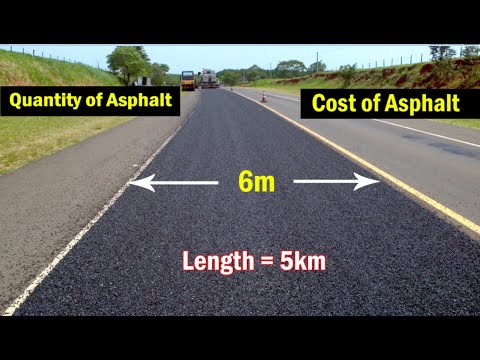
The team learned the importance of leveraging partnerships with local businesses and engaging with online communities to increase visibilit Another challenge was promoting the calculator effectively in a crowded digital space.
Accurate calculations not only help in budgeting but also in ensuring the quality and longevity of the paved surface. Always remember to consult with suppliers and adjust for waste to achieve the best result Conclusion Calculating asphalt tons is a straightforward process that involves determining the area, thickness, and density of the asphalt. By following the outlined steps and considering key factors, contractors can ensure they order the right amount of asphalt for their projects.
User Adoption: While many engineers and contractors have embraced the tool, there remains a segment of the industry that relies on traditional methods. Ongoing training and outreach efforts are necessary to encourage wider adoptio
This factor varies but is generally around 0.9 for asphalt. Compaction Factor: Asphalt is typically compacted during installation to enhance durability. The compaction factor accounts for the reduction in volume that occurs when the asphalt is compacted.
This data served as the foundation for the calculator's algorithm Research and Data Collection: The team conducted extensive research on existing pavement management practices and gathered data on various asphalt materials, traffic loads, and environmental conditions.
This knowledge empowers contractors, engineers, and project managers to make informed decisions that contribute to the successful completion of paving projects. By using the formulas and examples provided in this report, stakeholders can streamline their processes and enhance their project outcome Final Thoughts
With the increasing demand for infrastructure development, understanding how to calculate asphalt tons efficiently is more crucial than ever.
Understanding Asphalt
Asphalt, also known as bitumen, is a sticky, black, and highly viscous liquid or semi-solid form of petroleum. It is primarily used in road construction and roofing. This density is a critical factor when calculating the required tons for a projec The density of asphalt can vary based on its composition and temperature, but it typically ranges from 140 to 150 pounds per cubic foot (pcf).
Site-Specific Conditions: Factors such as soil type, weather conditions, and traffic loads can influence asphalt performance. Users must consider these variables when planning their projects, and the calculator can be supplemented with additional site assessment
Algorithm Design: The core of the calculator lies in its algorithms, which were designed to analyze input data and generate accurate overlay thickness recommendations. The algorithms consider factors such as existing pavement condition, traffic volume, load distribution, and climat
Type of Asphalt Mix: Different mixes may have varying densities, which can affect the calculation. A common practice is to add 5-10% to the calculated amount. Always check with the supplier for the specific density of the mix being used. Hot asphalt is less dense than cooler asphalt, which may slightly alter required quantitie Weather Conditions: Temperature can affect the density of asphalt. Waste Factor: It is prudent to account for waste, spillage, and compaction.
Adjustments were made based on user input to enhance the calculator's functionality and user experienc They conducted multiple rounds of testing, both internally and with potential users, to identify bugs and gather feedback. Using HTML, CSS, and JavaScript, the team built the calculator.
However, estimating the amount of asphalt required for a project can be challenging. The demand for asphalt surfaces continues to grow, driven by urbanization and infrastructure development. Recognizing this gap, a team of civil engineering students decided to create a DIY Asphalt Calculator that would empower users to accurately estimate their asphalt need Traditional methods often involve complex calculations that can lead to errors, resulting in either excess material costs or insufficient supplies.
The calculator may also incorporate adjustments for specific gravity and moisture content to refine the density calculation further. Where mass is the total weight of the asphalt mixture and volume is the space it occupies.
Compaction Efforts: The level of compaction applied during the installation process is crucial. The calculator may require data on the type of rollers used, the number of passes, and the compaction method.
Regular updates were made to the calculator based on user suggestions, further solidifying its relevance and utilit The team implemented a feedback loop, allowing users to suggest improvements or report issues. This engagement not only helped refine the calculator but also fostered a sense of community among users.
- 이전글rust roulette 2026 26.08.28
- 다음글The Essential Guide to Betting Odds: Learn Decimal, Fractional, and American Styles 26.08.28
댓글목록
등록된 댓글이 없습니다.