Guide To 30 Feet Container: The Intermediate Guide Towards 30 Feet Con…
페이지 정보

본문
Understanding the 30 Feet Container: A Comprehensive Guide
Worldwide of logistics and shipping, containers play an essential role in the motion of goods. Amongst the different types of containers offered, the 30 feet container stands apart for its special specs and versatility. This blog site post aims to supply a substantial introduction of the 30 feet container, discussing its dimensions, utilizes, benefits, and much more.
What is a 30 Feet Container?
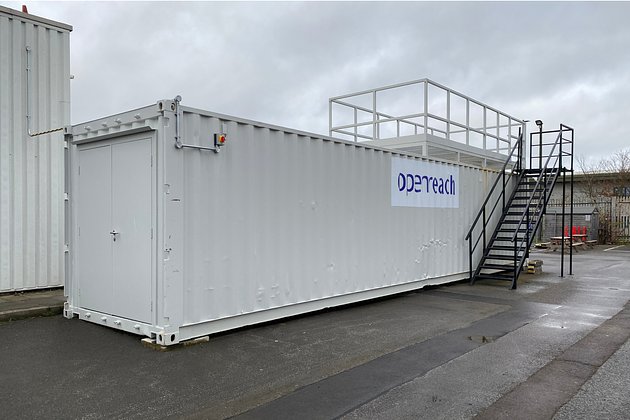
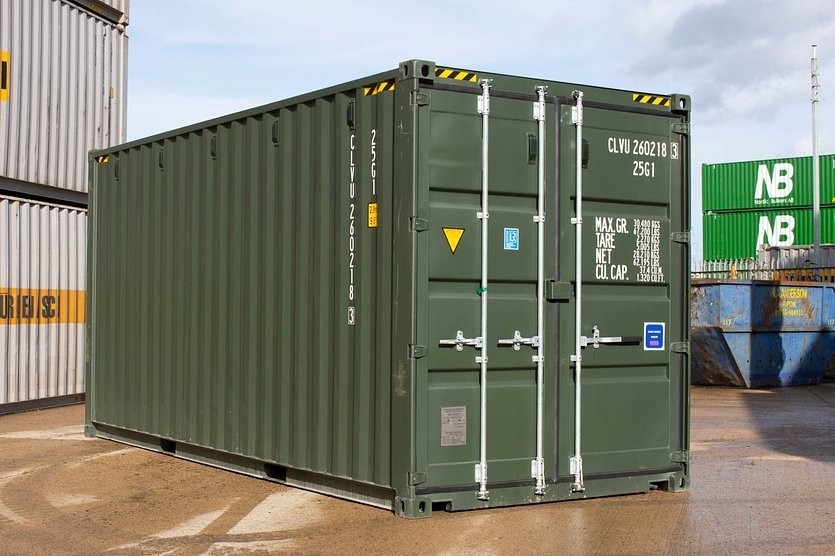
A 30 feet container, likewise called a 30 Foot Containers-foot shipping container, is developed for keeping and transferring cargo. Its size makes it an outstanding choice for businesses that require a balance between capacity and maneuverability. While a lot of shipping containers are offered in basic lengths of 20 and 40 feet, the 30 feet alternative uses a distinct choice for particular logistical needs.
Dimensions of a 30 Feet Container
Here's a detailed breakdown of the measurements of a 30 feet container:
| Dimension | Measurement |
|---|---|
| External Length | 30 feet (9.14 meters) |
| External Width | 8 feet (2.44 meters) |
| External Height | 8.5 feet (2.59 meters) |
| Internal Length | 28.5 feet (8.67 meters) |
| Internal Width | 7.7 feet (2.35 meters) |
| Internal Height | 7.8 feet (2.39 meters) |
| Maximum Gross Weight | 30,480 pounds (13,800 kg) |
| Tare Weight | Around 5,000 pounds (2,268 kg) |
| Cubic Capacity | 1,800 cubic feet (51.06 cubic meters) |
Uses of 30 Feet Containers
30 feet containers are versatile and can be used across a range of sectors. Here are some typical applications:
Residential Storage: These containers serve as exceptional storage systems for house owners requiring short-term or long-term storage solutions during remodellings or movings.
Commercial Use: Small businesses frequently find 30 feet containers perfect for storing inventory and devices, particularly in markets like retail, building and construction, and farming.
Shipping: Many business select 30 feet containers for shipping items that do not need the larger capability of a 40 feet container however still require more space than a 20 feet container can use.
Mobile Offices: Many business transform 30 feet containers into mobile workplaces, providing offices in remote places.
Occasion Storage: Event organizers often utilize these containers for keeping equipment, furnishings, and products required for occasions.
Advantages of Using a 30 Feet Container
The 30 feet container presents many advantages, consisting of:
Space Efficiency: It supplies a balance between storage capability and space efficiency, making it ideal for numerous applications where space is a premium.
Cost-efficient: Compared to bigger containers, 30 feet units can be more economical, especially for clients who do not need the full capability of a 40 feet container.
Flexibility: These containers can be personalized for a series of needs, whether for storage, shipping, or conversion into other usable areas.
Easier Handling: Their size makes them much easier to transport and steer in metropolitan or restricted spaces.
Drawbacks of Using a 30 Feet Container
While there are numerous benefits, prospective drawbacks include:
Limited Capacity: For larger shipments, a 30 feet container may not supply adequate area, pushing users toward the larger options.
Availability: Depending on the area, discovering a 30 feet container for sale or rent can often be a challenge, as they are less common than basic 20 and 40 feet containers.
Regularly Asked Questions (FAQ)
1. Just how much can a 30 Ft Sea Container feet container hold?
A 30 feet container can normally hold around 1,800 cubic feet of cargo, which is approximately comparable to 30-40 basic pallets.
2. What is the maximum weight capability of a 30 feet container?
The maximum gross weight capacity is around 30,480 pounds (13,800 kg), however it's important to inspect particular container rankings for accurate abilities.
3. Are 30 feet containers appropriate for global shipping?
Yes, many shipping companies use 30 feet containers for international shipping, although availability might differ.
4. How much does it cost to rent or acquire a 30 feet container?
Prices can fluctuate based upon condition (brand-new or utilized), area, and market need. Normally, rental costs can range from ₤ 100 to ₤ 300 per month, while purchase prices may be anywhere from ₤ 2,000 to ₤ 5,000.
5. Do 30 feet containers require special authorizations for positioning?
Depending on regional policies and where the container is put, permits may be essential. It is vital to consult local authorities before putting a container on your property.
The 30 feet container is a versatile and useful service for a variety of storage and Second Hand 30ft Shipping Containers needs. Whether for individual usage, commercial purposes, or logistical operations, comprehending its dimensions, uses, advantages, and limitations can help businesses and people make informed options. As markets develop and the need for efficient shipping options grows, the 30 feet container remains an important alternative in the ever-changing landscape of logistics and supply chain management.
By putting in the time to explore this unique container type, businesses can enhance their operations and find the right balance in between area, cost, and efficiency.
- 이전글비아그라를 가장 저렴하게 구매하는 방법은? 26.07.14
- 다음글u3dc4Jkmx5PfZcQQ 26.07.14
댓글목록
등록된 댓글이 없습니다.